

Funeral traditions are some of the most fascinating ways cultures honor life and confront the mystery of death. Each custom reflects deep-rooted beliefs, shaping how people grieve and remember loved ones. You’ll find ceremonies steeped in symbolism, such as the Tibetan sky burial, where nature becomes a sacred partner in the cycle of life.
Exploring these practices allows us to see the beauty in how different cultures navigate loss. Whether it’s a celebratory festival or a silent ritual, these traditions show that honoring life is universal, even if the methods are incredibly diverse.
Let’s explore these remarkable approaches to saying goodbye.
Tibetan Culture and the Practice of Tibetan Sky Burial
Understanding Tibetan Sky Burial
Tibetan sky burial, also known as celestial burial, is one of the most profound death rituals rooted in Tibetan Buddhist beliefs.
This practice reflects the Tibetan view of the human body as an empty vessel after death, no longer needed by the soul as it transitions to its next life.
The deceased’s physical body is offered back to nature in an act of generosity, feeding living beings like vultures that are considered sacred in this tradition.
The Spiritual Significance of Sky Burial
In Tibetan Buddhism, death marks the beginning of the soul’s journey toward rebirth.
Sky burial embodies this belief by allowing the corpse to symbolically merge with the sky. The ritual also aligns with the Buddhist teaching that detachment from the physical body aids the soul in its journey.
Offering the body to birds like vultures becomes the final act of compassion, emphasizing the interconnectedness of all living beings.

The Burial Site and Preparation
Sky burials typically occur at sacred charnel grounds near monasteries like Drigung Til Monastery, which holds significant spiritual importance.
Family members and monks prepare the body by wrapping it in a white cloth and positioning it in a fetal position, symbolizing the cycle of life.
Barley flour may be sprinkled over the body as part of ceremonial activities.
The Role of Body Breakers
Specialized practitioners called body breakers, often skilled monks, perform the labor-intensive process of dismembering the corpse. This task ensures the remains are consumable for vultures, completing the ritual.
The practice demands physical labor and spiritual dedication, as it is viewed as an integral part of helping the soul transition.
Practical Reasons Behind the Tradition
Tibet’s harsh environment also contributes to the prevalence of sky burial.
The rocky, frozen ground makes traditional burial methods nearly impossible, while the scarcity of wood limits options for the cremation process.
These practical reasons intertwine with the spiritual significance, creating a harmonious tradition deeply respected by Tibetan people.
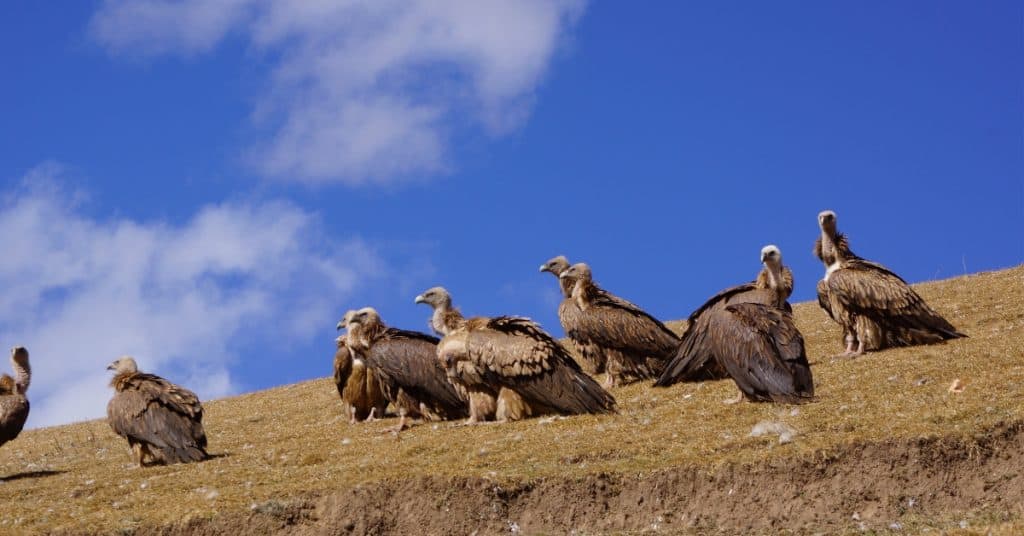
Sky Burial in Modern Times
While sky burial remains a sacred tradition, its practice is now regulated to ensure environmental and cultural preservation.
Burial sites, such as those in Sertar County, are maintained by sky burial operators who uphold the ritual’s integrity.
Despite modern challenges, the Tibetan funeral customs surrounding sky burial continue to thrive as an enduring symbol of faith, life, and the next journey.

Tibetan Sky Burial as a Reflection of Life and Death
This practice offers profound insights into how Tibetans view death as an integral part of life.
It reminds you that the human remains of the deceased are not simply discarded but are transformed into an act of generosity.
Whether on a celestial burial platform or charnel grounds, the ritual reveals how Tibetan culture weaves together practicality, spirituality, and deep respect for the circle of life.
Malagasy Culture and the Turning of the Bones
Understanding the Turning of the Bones
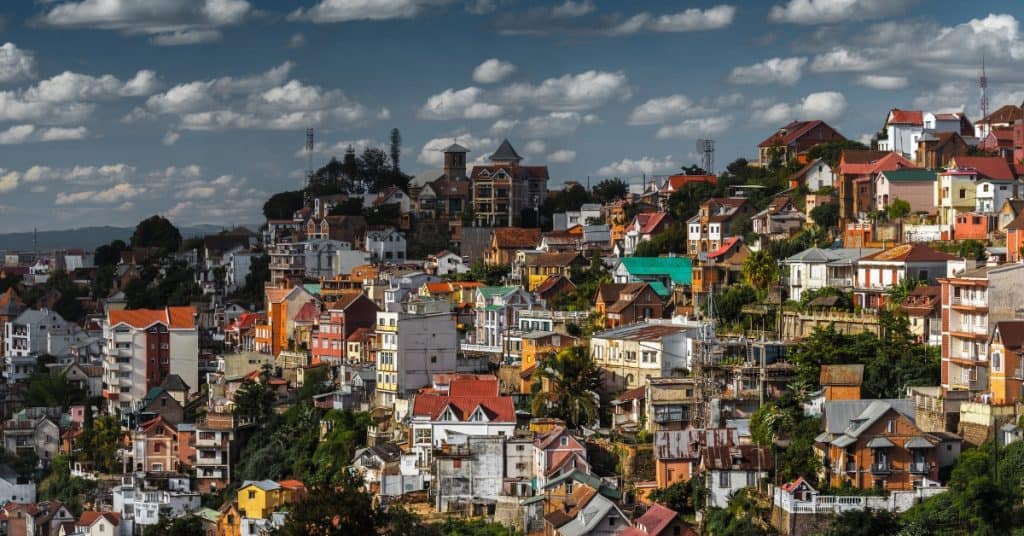
The famadihana or “turning of the bones” is one of Madagascar’s most distinctive and vibrant death rituals.
Rooted in Malagasy culture, this ceremony transforms the burial process into a joyous celebration of family and ancestry.
The practice involves exhuming the remains of deceased loved ones, rewrapping them in fresh cloth, and sharing moments of remembrance and dance.

The Ceremony and Its Meaning
Turning of the bones is not about mourning but about connection and gratitude. For Malagasy families, it’s a chance to honor the deceased, ensuring they are remembered and cared for, even after death.
The ritual reinforces the bond between the living and their ancestors, showing that family ties endure beyond the physical body.
The Process of Famadihana
The ritual begins with the exhumation of the corpse from its burial site, typically a family tomb.
Family members carefully handle the bones or remains, ensuring respect throughout the process. The body is then rewrapped in new silk or white cloth as part of the renewal.
Once prepared, the deceased are celebrated with music, dancing, and feasting. It’s a communal event, filled with laughter and stories, as families carry the deceased in a joyful procession.
This last act of care often includes blessings or spiritual ceremonies meant to guide the soul’s transition to its next phase.
The Malagasy people understand, like we do in the United States, that family ties are worth remembrance.
If you’re planning a funeral or memorial for a loved one, Endswell Funeral Home is here to help you create a meaningful tribute.
Get in touch with us at 919-907-9777 or Contact Us online to learn more. Together, we’ll find the best way to honor your loved one’s life and legacy.
Practical and Cultural Considerations
Madagascar’s tropical climate presents challenges, such as high temperatures and the risk of infectious diseases.
For this reason, famadihana is performed at intervals of five to seven years, allowing time for the natural decomposition of the body.
The ritual aligns with practical needs while maintaining its spiritual and cultural significance.
Connecting With Earth and Sky
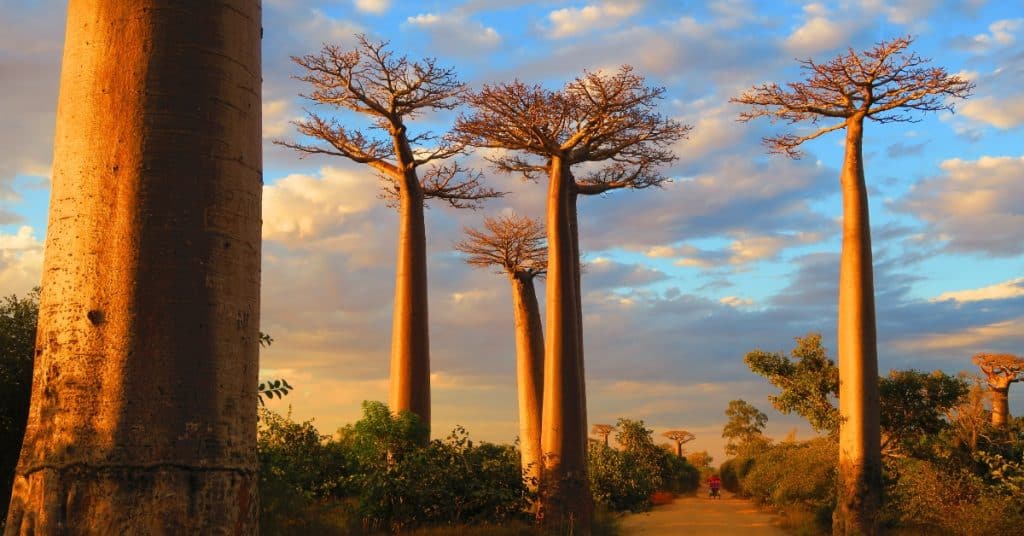
While the practice differs from sky burials or water burials found in other cultures, famadihana reflects a similar reverence for the cycle of life. It treats the deceased not as a lost body but as an enduring part of the family’s story.
This ritual underscores the belief that honoring the dead strengthens the living, grounding communities in shared history and tradition.
Why the Ritual Continues
Despite modernization, famadihana endures as an integral part of Malagasy identity.
For many families, it’s a way to preserve cultural heritage, ensuring that their loved ones remain deeply connected to the earth and remembered under the sky.
This vibrant tradition honors the past as a celebration of life itself.

Filipino Culture and the Tinguian Funeral
Understanding the Tinguian Funeral
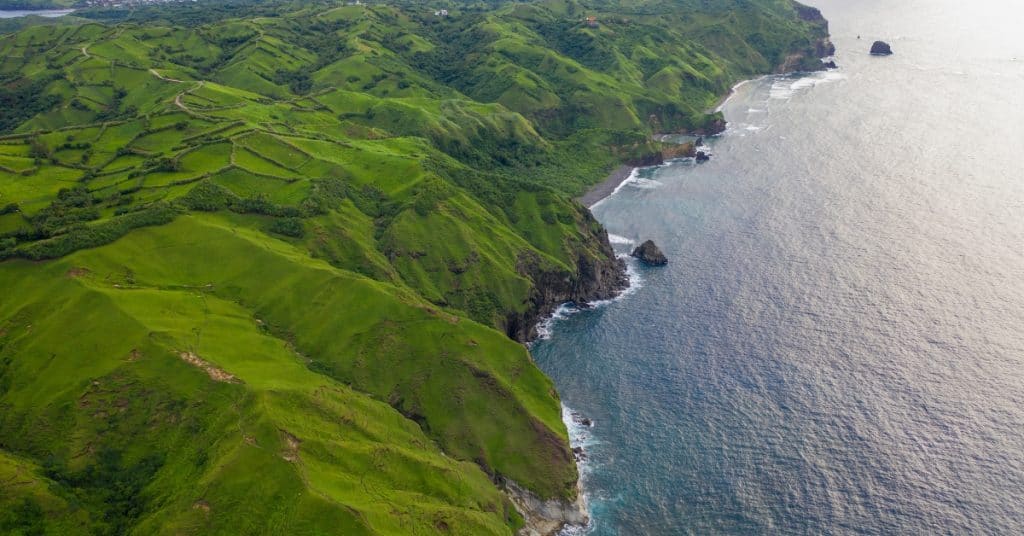
The Tinguian funeral is a striking and unique death ritual practiced by the Tinguian people in the Philippines.
Unlike the burial or cremation customs found in many cultures, this practice involves presenting the deceased as though they are still alive.
For the Tinguian people, this ceremony reflects deep respect for the physical body and a strong belief in keeping loved ones close, even in death.

Preparing the Deceased
In the Tinguian tradition, the corpse is dressed in the finest clothing of the deceased, symbolizing their dignity and legacy.
The body is seated in a chair, positioned in a lifelike posture, often holding personal items such as tobacco or tools.
This act transforms the dead body into a central figure of the ritual, connecting the living and the deceased in a tangible way.
The Role of the Physical Body
Unlike Tibetan practices, where a sky burial involves returning the physical body to nature, the Tinguian funeral emphasizes the visual presence of the deceased.
This approach underlines the importance of the body as an integral part of family identity and remembrance. It provides a way for loved ones to interact with the deceased as they prepare for the final act of letting go.
The Ceremony
The Tinguian funeral is a community affair, filled with rituals that honor the life of the deceased. Family members and villagers gather to share food, stories, and prayers.
The seated posture of the body serves as a reminder that the deceased continues to be a part of the living community, bridging the gap between life and death.
Cultural and Practical Considerations
The Tinguian practice reflects a blend of spiritual belief and practical adaptation. In a tropical climate, where burial or cremation may pose logistical challenges, preserving the body for a time allows for an extended mourning period.
While this differs from water burial or the cremation process, it shares the universal goal of creating meaningful closure.
Honoring the Dead and Connecting With the Earth
Similar to how Tibetans view death as a continuation of life’s cycle, the Tinguian funeral highlights the connection between the physical body and the earth.
The ritual reflects the deep cultural value placed on keeping the deceased present in spirit while celebrating their legacy.
Why the Tinguian Funeral Endures
Despite the rise of modern funeral practices, the Tinguian funeral remains an important tradition. It preserves the unique identity of the Tinguian people and reinforces their belief in the enduring presence of the deceased.
This practice, like many cultural death rituals, shows that how you honor the dead speaks volumes about how you value life itself.
In the Philippines, there are many cultural ways to honor the dead:
“The Tinguian people dress the deceased in the fanciest of clothes and sit the body on a chair, often placing a lit cigarette in the lips, while the Benguet people blindfold their dead before placing them in chairs at the entrance of the home. The Cebuano people dress children attending funerals in red to lessen the chance that they will see ghosts. The Sagada region features coffins hung from cliffs, bringing the souls of the dead closer to heaven, while people in Cavite often entomb the deceased vertically in a hollowed-out tree chosen by the person before death. The diversity of regions in the Philippines has given rise to a diversity of Filipino burial rituals that comes second to none.”
South American Culture and Endocannibalism
Understanding Endocannibalism
Endocannibalism, the practice of consuming the remains of deceased community members, is one of the most unique and misunderstood rituals found in some South American cultures.
Tribes like the Yanomami in South America view this ritual not as an act of horror but as an intimate and spiritual way to honor the dead.
It reflects a deep connection between life, death, and the living.
The Spiritual Beliefs Behind Endocannibalism
For the Yanomami and similar tribes, death is not seen as an end but a transformation.
Consuming the ashes or bones of the deceased is believed to internalize their spirit, keeping them alive within the living community.
This act strengthens familial bonds and ensures the memory of the deceased remains integral to daily life.
The Process of Endocannibalism
Endocannibalism begins with the cremation of the body, a step essential to separating the physical body from the spiritual essence.
The ashes and bone fragments are collected and often mixed with food or drink. This consumption becomes a ceremonial act of love and remembrance.

Practical and Cultural Significance
For many tribes, endocannibalism also has practical roots. Remote jungle environments make traditional burial or preservation methods challenging.
This ritual addresses environmental limitations while fulfilling cultural and spiritual needs.
How It Differs From Other Practices
Unlike water burials or sky burials, endocannibalism involves a direct physical connection with the deceased.
While it may seem shocking to outsiders, it shares a universal purpose with other rituals: honoring the dead and supporting the living.
The final act of consuming remains is deeply personal and reflective of the tribe’s unique relationship with death.
Endocannibalism in Modern Times
Modernization and external influences have made this practice rare, with many tribes abandoning it due to legal restrictions and shifting beliefs.
However, in some communities, elements of the ritual persist as a way to preserve their cultural identity. The tradition serves as a reminder of the diverse ways humanity addresses death and remembrance.

What It Teaches About Life and Death
Endocannibalism offers profound lessons about how different cultures perceive death. It challenges you to think about what it means to keep someone’s memory alive, not just symbolically but literally.
This practice, while unsettling to outsiders, reveals a deep reverence for life, family, and the interconnectedness of human experience.
What About Modern Funeral Practices in the United States? How Do We Honor Our Loved Ones?
At Endswell Funeral Home, we approach the deeply personal process of honoring loved ones with a blend of tradition, innovation, and compassion.
North American funeral practices today often emphasize individuality, environmental consciousness, and family-centered care, and we are proud to provide services that reflect these values.
A Range of Thoughtful Options
At Endswell Funeral Home, you have access to modern funeral services tailored to your needs and values.
Whether you’re planning for yourself or a loved one, we offer:
- Cremation: A simple and dignified choice, cremation provides flexibility for memorialization. You can scatter ashes, keep them in an urn, or bury them in a meaningful location. Endswell purchases carbon credits to cover the cost of any emissions produced by choosing traditional cremation.
- Aquamation: Also known as water cremation, this eco-friendly alternative gently reduces the body using an alkaline solution. It creates significantly fewer emissions compared to traditional cremation.
- Green Burial: For those seeking a sustainable option, green burial uses biodegradable materials to return the body naturally to the earth.
Balancing Modern Needs With Cultural Traditions
In the US, funeral practices are evolving as families seek meaningful ways to celebrate life and reduce environmental impact.
Options like aquamation and green burial meet the growing desire for sustainable choices while maintaining the dignity and respect your loved ones deserve.
These practices honor traditional values while embracing modern advancements.
Support Every Step of the Way
We understand that making these decisions can feel overwhelming. That’s why we offer concierge care to handle every detail, from the ceremony to transportation.
Our team works with you to ensure the process is smooth, compassionate, and transparent so you can focus on what matters most—celebrating the life of your loved one.
Plan Today for Peace of Mind
Pre-planning is one of the most thoughtful gifts you can give to your family. It allows you to outline your preferences, reduce stress for your loved ones, and ensure your wishes are honored.
At Endswell Funeral Home, we guide you through every step, offering clarity and support as you plan for the future.
Let Us Help You Honor Your Loved One
Whether you’re making immediate arrangements or planning for the future, we’re here to help you create a meaningful tribute.
Call us at 919-907-9777 or Contact Us online to learn more.
Together, we’ll find the best way to honor your loved one’s life and legacy.
0 Comments