

Who Leads a Funeral Service? Roles of the Officiant, Family, and Funeral Home
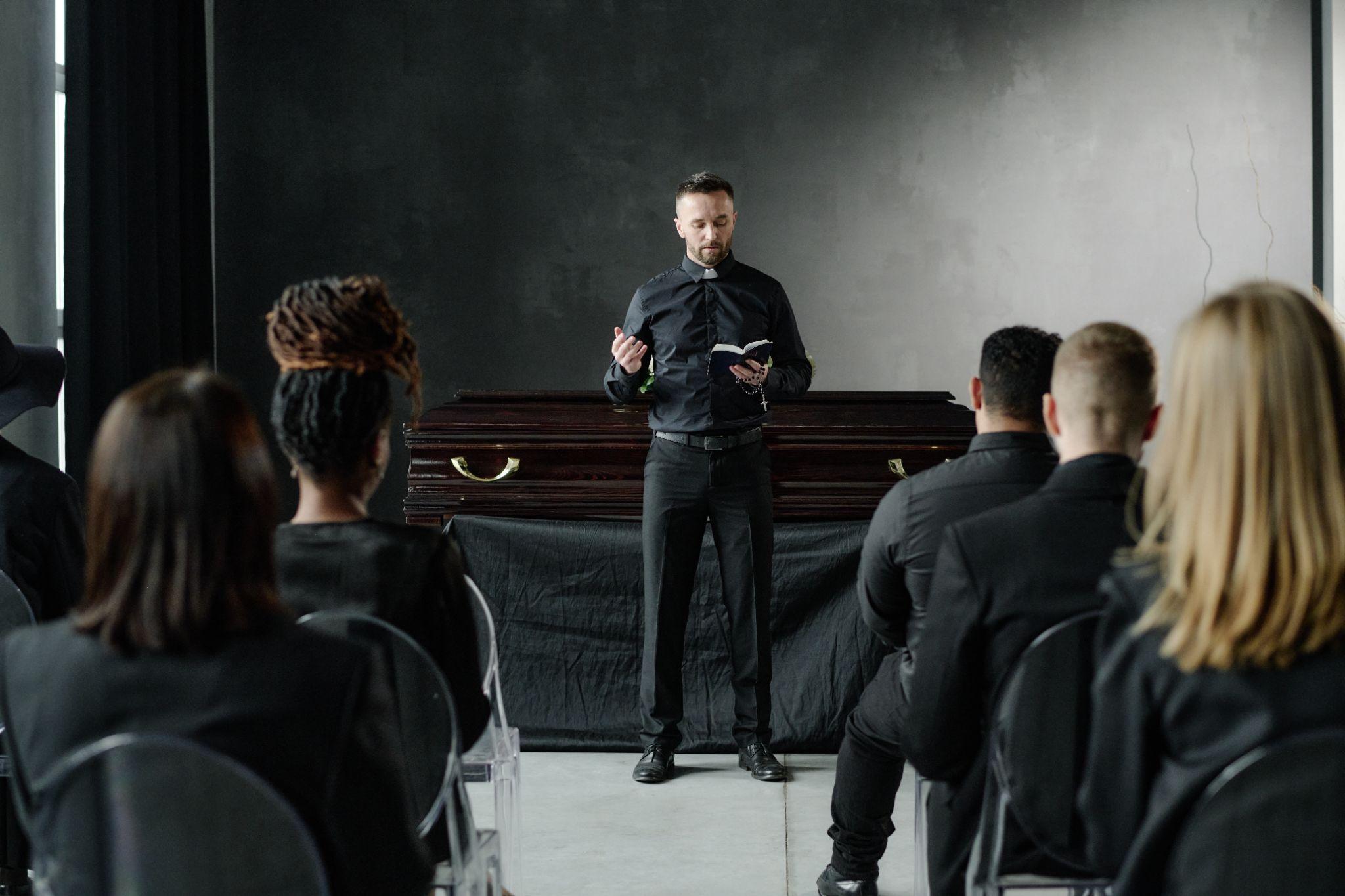
A funeral service can mean many things to families. A funeral or memorial service honors the life of the deceased and marks an end of life moment. Understanding who leads a funeral service helps a grieving family with funeral practices, whether planning a traditional funeral or a celebration of life.
Understanding Leadership in a Funeral Service
Every funeral service follows a process, even when the ceremony is informal or religious or secular. Leadership does not remove emotion. It provides structure.
Most funeral services include three leadership roles:
- The officiant who guides the ceremony
- The family who directs meaning and values
- The funeral home that coordinates logistics and care
Whether the service may be held at a mortuary, place of worship, cemetery, or another location, leadership ensures the ceremony is respectful and well organized.
The Officiant Sets the Tone and Flow
The officiant leads the funeral ceremony itself. This role is often filled by a clergy member, celebrant, or trusted individual chosen by the family.
The officiant may lead a christian funeral, a formal funeral, or a secular service. Regardless of belief, the officiant guides how the service unfolds.
What the Officiant Is Responsible For
The officiant focuses on the structure of the funeral service and the words spoken during the ceremony.
Responsibilities often include:
- Opening the ceremony and welcoming attendees
- Delivering a sermon, homily, or reflection
- Leading prayers, hymns, or readings
- Inviting relatives or friends to share a eulogy
- Guiding moments to recite, reflect, or remain silent
- Closing the ceremony with intention
The officiant honors the soul of the deceased while maintaining a steady pace so the ceremony feels complete and meaningful.
How the Officiant Works With the Family
Before the service, the officiant usually meets with close relatives. This conversation helps shape a service that honors the life of the deceased.
Families may share:
- Cultural or religious traditions
- Preferences for a traditional funeral ceremony or celebration of life
- Whether the service includes visitation, a funeral procession, or committal service
This collaboration ensures the ceremony reflects the family’s wishes and values.
The Family Leads the Meaning and Direction
While the officiant leads the ceremony, the family leads the heart of the funeral service.
The family may choose the type of service, whether burial or cremation, and how the life of the deceased is commemorated.
Decisions Led by the Family
Families guide many aspects of funeral services, including:
- Choosing burial or cremation
- Deciding if the body is buried, cremated, or buried or entombed
- Selecting a casket or urn
- Planning graveside services or graveside, traditional funeral service
- Choosing music, hymns, or readings
- Deciding if cremated remains are placed in an urn, scattered, or placed in a mausoleum or crypt
Each decision helps honor the life and values of the deceased.
Emotional Leadership From the Family
Family leadership is deeply personal. Their presence, words, and actions guide the tone of the service.
Whether family members speak, serve as pallbearers, or quietly participate, they help create time for people to pay tribute and offer condolence.
The Funeral Home Coordinates the Entire Process
The funeral home serves as the central coordinator. Their role ensures the funeral service runs smoothly from beginning to end.
A funeral director and trained funeral professionals manage details that families should not face alone.
Planning and Logistics
The funeral home coordinates essential elements of funeral practices, including:
- Scheduling funeral ceremonies and memorial services
- Managing transportation with a hearse
- Coordinating a funeral procession
- Preparing legal documentation
- Arranging visitation and refreshments
- Working with the crematory or crematorium
- Coordinating cemetery plot, entombment, or scattering
Whether the service takes place at a mortuary, cemetery, or place of worship, logistics are handled professionally.
Care for the Body of the Deceased
Funeral professionals care for the body of the deceased with dignity.
This may involve:
- Preparing the body, which is usually bathed and dressed
- Deciding whether to embalm
- Transporting the body to the crematory
- Ensuring the body is buried, cremated, or buried or entombed properly
These steps protect both the family and the deceased.
How These Roles Work Together
A successful funeral service depends on shared leadership.
- The officiant guides the ceremony
- The family shapes meaning and tradition
- The funeral home ensures coordination
When communication is clear, the ceremony is held with care and intention.
What Happens When Leadership Is Unclear
Without guidance, families may feel overwhelmed during an already difficult time.
Challenges may include:
- Confusion about different funeral options
- Unclear timing or procession details
- Stress during visitation or committal service
- Emotional burden placed on close relatives
Professional leadership prevents unnecessary pressure.
Why Professional Funeral Guidance Matters
Funeral service can mean many responsibilities at once. Professional guidance helps families navigate end of life decisions with clarity.
A funeral director ensures:
- Funeral services as well as memorial services are coordinated
- The service may be held according to family wishes
- Burial or cremation options are explained clearly
- The ceremony honors the deceased ceremonially
This support allows families time to grieve and remember.
Choosing the Right Funeral Home Makes a Difference
Not all funeral homes offer the same level of care.
Families benefit from funeral homes that:
- Provide direct communication
- Respect religious or secular preferences
- Explain different funeral options
- Support burial or cremation decisions
- Offer services as well as aftercare
The right funeral home leads with compassion and professionalism.
To better understand decision making during funeral planning, our related blog Who Has The Final Say At A Funeral explains family authority and legal responsibility clearly and compassionately.
Thoughtful Funeral Leadership Starts Here
At Endswell, one of our funeral professionals will guide you through every step with clarity and care. Our funeral professionals will be delighted to support your family during this important time.
We help families plan funeral services, memorial services, and graveside services that honor the life of the deceased. Whether the service involves a casket that is lowered at the cemetery, cremated remains placed in an urn, or entombment in a mausoleum, we handle every detail with respect.
We support burial or cremation, traditional funeral services, and modern alternatives. We also advocate for families throughout the entire end of life process so you never feel alone.
Get information about our services here and speak directly with Endswell when you are ready.